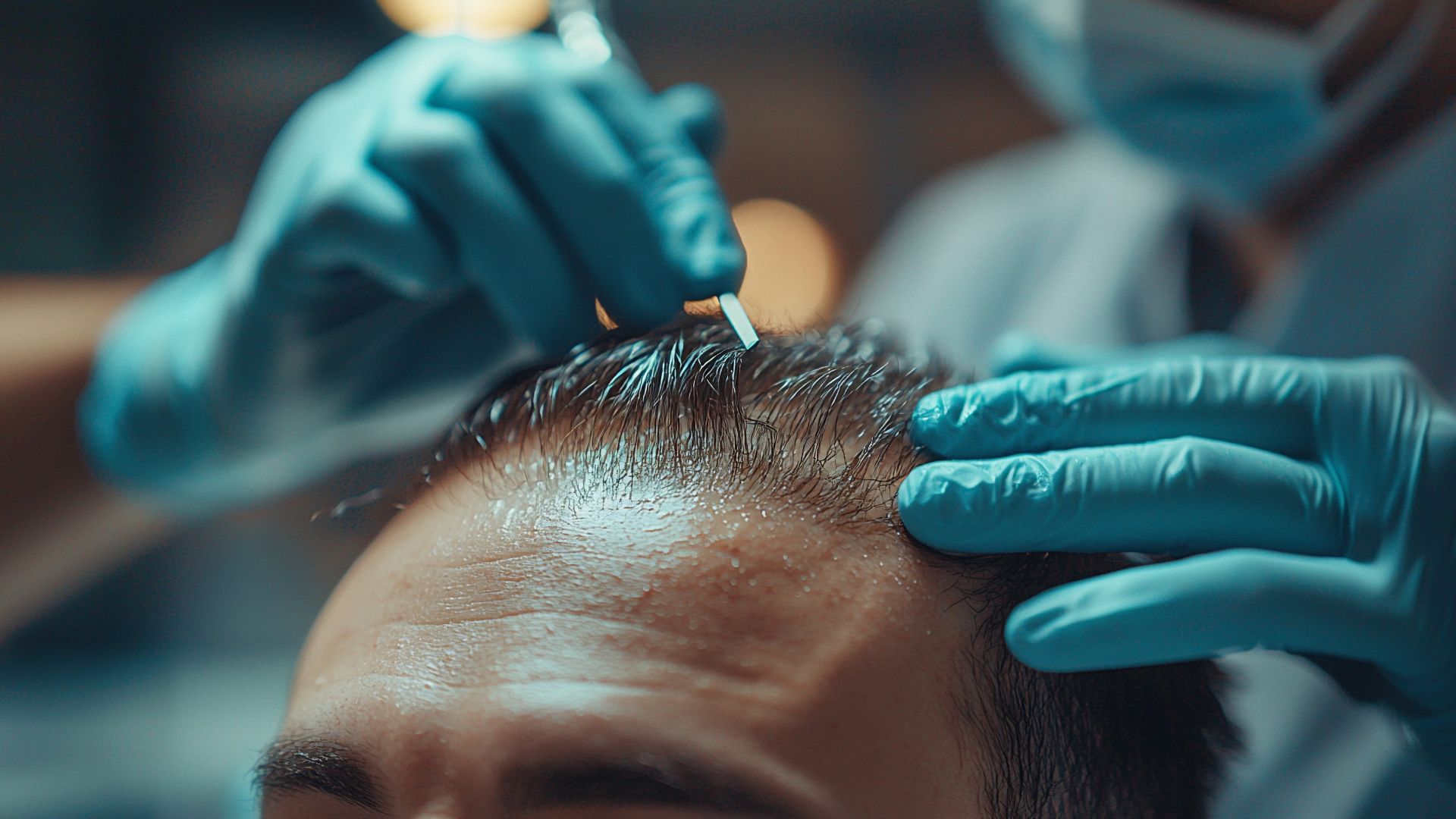
What Is a FUE Hair Transplant?
Learn what a FUE Hair Transplant is, how it works, recovery expectations, and why it remains a leading hair restoration option.

Summary with AI Support:
A FUE Hair Transplant (Follicular Unit Extraction) is a modern hair restoration procedure that involves extracting individual hair follicles from the donor area and transplanting them into thinning or bald regions. The donor area is typically located at the back of the scalp because these hair follicles are genetically more resistant to hair loss. The procedure is performed under local anesthesia, allowing patients to remain comfortable throughout the operation. Compared to older hair transplant methods, FUE Hair Transplant offers minimal scarring, faster recovery, and more natural-looking outcomes. When performed by experienced professionals, the procedure can provide long-lasting and highly satisfactory results.
Key Features of FUE Hair Transplant
- FUE Hair Transplant involves the extraction of individual follicular units, allowing for precise planning and placement.
- The procedure does not require stitches, which contributes to a more comfortable recovery experience.
- Hairline design is customized according to the patient’s facial features, age, and hair characteristics.
- The method can be used not only for scalp hair restoration but also for beard, mustache, and eyebrow transplantation in suitable candidates.
- Successful outcomes depend on proper graft handling, natural implantation angles, and post-operative care.
How Is a FUE Hair Transplant Performed?
The FUE Hair Transplant procedure follows a carefully planned process designed to maximize both patient comfort and long-term success. The journey begins with a comprehensive consultation and hair analysis. During this stage, the surgeon evaluates the extent of hair loss, donor area quality, and the patient’s expectations. A personalized treatment plan is then created.
On the day of the procedure, local anesthesia is administered before healthy hair follicles are extracted from the donor area using specialized micro-punch tools. These grafts are carefully preserved before being implanted into recipient areas according to the planned hairline design. The placement process requires precision to ensure natural density, direction, and growth patterns.
Stages of a FUE Hair Transplant
- Detailed hair analysis and consultation
- Donor area assessment and graft estimation
- Personalized hairline design
- Extraction of healthy hair follicles
- Preservation of graft viability
- Recipient area preparation
- Precise graft implantation
- Post-operative care instructions and follow-up planning
Who Is a Good Candidate for a FUE Hair Transplant?
Many individuals wonder whether they are suitable candidates for a FUE Hair Transplant. While the procedure is highly versatile, not everyone will have the same treatment plan or expected outcome. The most important factor is the availability of sufficient healthy donor hair.
Patients experiencing male pattern baldness, receding hairlines, thinning hair, or localized hair loss may benefit from FUE Hair Transplant treatment. However, age, overall health condition, hair characteristics, and future hair loss progression should also be evaluated before making a decision.
Ideal Candidates for FUE Hair Transplant
- Individuals with male or female pattern hair loss
- Patients with sufficient donor hair density
- People looking to restore a receding hairline
- Individuals seeking increased hair density
- Patients interested in beard or eyebrow transplantation
- Healthy individuals with realistic expectations
Which Is Better: FUE Hair Transplant or DHI?
One of the most frequently searched questions online is whether FUE Hair Transplant or DHI is the better option. In reality, there is no universal answer because both techniques offer unique advantages depending on the patient’s needs.
A FUE Hair Transplant is often preferred for larger treatment areas due to its flexibility and efficiency. DHI, on the other hand, may be suitable for certain cases where increased density and direct implantation techniques are prioritized. The best method should always be determined through professional evaluation rather than relying solely on general comparisons.
Main Differences Between FUE and DHI
- FUE Hair Transplant involves a separate channel-opening stage before implantation.
- DHI uses specialized implantation pens for direct placement.
- FUE may be more suitable for larger bald areas.
- DHI may offer advantages in selected density-focused procedures.
- Treatment costs and procedure times can vary between techniques.
- Both methods can provide natural and permanent results when performed correctly.
What Is Sapphire FUE Hair Transplant?
Sapphire FUE Hair Transplant is an advanced variation of the traditional FUE Hair Transplant technique. Instead of conventional steel blades, sapphire-tipped instruments are used during the channel creation stage.
These specialized tools allow for more precise incisions and may contribute to a more comfortable healing process. Many patients choose Sapphire FUE because of its reputation for natural-looking results and advanced technological approach.
Benefits of Sapphire FUE Hair Transplant
- More precise channel creation
- Potentially reduced tissue trauma
- Faster recovery in some cases
- Enhanced graft placement accuracy
- Natural-looking hair growth patterns
- Improved density planning possibilities
What Is the Recovery Process Like After a FUE Hair Transplant?
Recovery is one of the most important stages of a successful FUE Hair Transplant journey. During the first few days, mild redness, scabbing, and sensitivity are completely normal. Patients should follow all post-operative instructions provided by their medical team.
A temporary shedding phase known as shock loss often occurs during the first month after surgery. This is a natural part of the hair growth cycle and should not be mistaken for treatment failure. New hair growth usually begins around the third or fourth month, while full results generally become visible after approximately twelve months.
Important Post-Operative Guidelines
- Protect the transplanted area from physical trauma.
- Follow the recommended washing instructions carefully.
- Avoid intense physical activity during the early recovery period.
- Limit direct sun exposure.
- Understand that shock loss is a normal stage of recovery.
- Maintain healthy nutrition and hydration habits.
- Attend all follow-up appointments.
Is a FUE Hair Transplant Permanent?
One of the biggest advantages of a FUE Hair Transplant is its long-term potential. Since transplanted follicles are usually taken from areas resistant to hair loss, the results are generally considered permanent.
However, hair transplantation does not stop future hair loss in non-transplanted areas. This is why ongoing hair care, medical recommendations, and realistic expectations remain important factors for maintaining overall hair appearance.
Factors Affecting Long-Term Results
- Donor hair quality
- Surgical technique
- Graft survival rate
- Post-operative care
- Genetic hair loss patterns
- Lifestyle and health factors
FUE Hair Transplant Cost in Turkey 2026
The cost of a FUE Hair Transplant in Turkey continues to attract attention from international patients. Pricing varies depending on several factors, including graft count, clinic standards, surgeon experience, and treatment package inclusions.
While affordability is one reason many patients consider Turkey, choosing a clinic based solely on price is not recommended. Quality of care, expertise, patient safety, and long-term outcomes should always be prioritized when evaluating treatment options.
Factors Influencing FUE Hair Transplant Costs
- Number of grafts required
- Technique used
- Surgeon experience
- Clinic reputation
- Medical technology
- PRP and supportive treatments
- Accommodation services
- Transportation services
- Post-operative care packages
Frequently Asked Questions (FAQ)
What is a FUE Hair Transplant?
A FUE Hair Transplant is a hair restoration procedure that involves extracting individual hair follicles and implanting them into areas affected by hair loss.
How long does a FUE Hair Transplant take?
Most procedures take between 6 and 8 hours, depending on the number of grafts required.
Is a FUE Hair Transplant painful?
The procedure is performed under local anesthesia, so patients generally do not experience pain during the operation.
Is a FUE Hair Transplant permanent?
Yes. Transplanted follicles are usually resistant to hair loss and can provide long-term results.
When do results appear after a FUE Hair Transplant?
New hair growth often begins around the third or fourth month, while final results are typically visible after 12 months.
Which is better: FUE Hair Transplant or DHI?
Neither method is universally better. The most suitable technique depends on the patient’s hair characteristics, goals, and donor area condition.
Is Turkey a good destination for FUE Hair Transplant procedures?
Turkey is one of the most popular destinations for FUE Hair Transplant treatments due to its experienced specialists, advanced techniques, and comprehensive patient services.