| Blogs
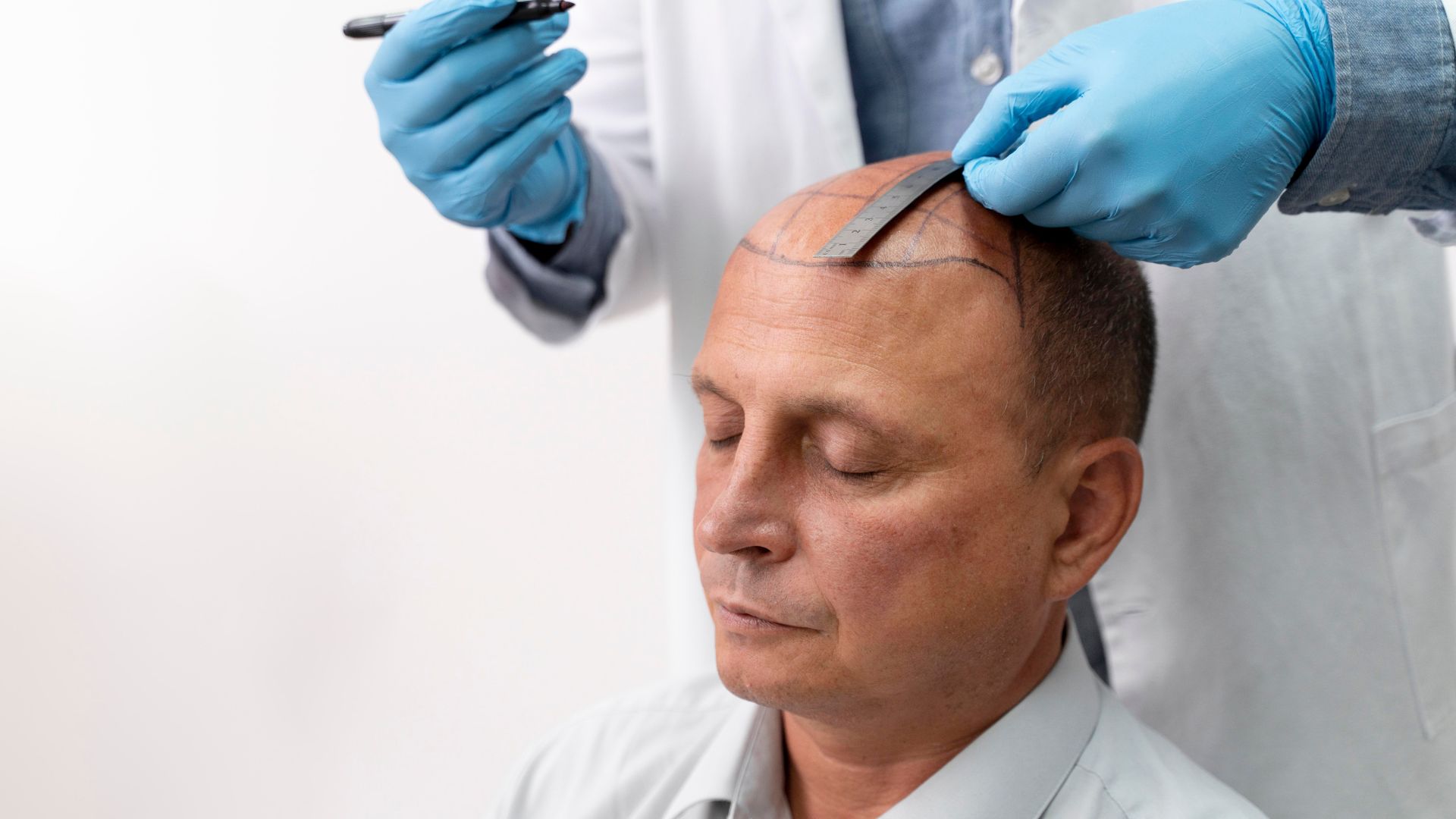
Hair Transplant Doctor Turkey: Choosing a Qualified Specialist
Find a qualified hair transplant doctor in Turkey by reviewing credentials, experience, medical roles, techniques, and aftercare too.

Hair Transplant Medical Guide
Hair Transplant Doctor Turkey: Choosing a Qualified Specialist
Choosing a hair transplant doctor in Turkey involves more than comparing prices or before-and-after photographs. Medical qualifications, surgical responsibilities, donor management, hairline planning, technique selection and aftercare should all be evaluated before making a decision.
Medical Information Notice:
This article is intended for general informational purposes only and does not replace personalised medical evaluation, diagnosis or treatment advice.
Related Hair Transplant Topics
What Does Hair Transplant Doctor Turkey Mean?
Hair transplant doctor Turkey is a search phrase commonly used by international patients looking for qualified doctors and medical professionals involved in hair restoration procedures in Türkiye.
The role of the responsible doctor or medical team may begin before surgery and continue throughout planning, treatment and post-operative follow-up.
- Assess surgical suitability
- Identify the patient’s hair-loss pattern
- Review medical history
- Evaluate donor capacity
- Plan a suitable graft range
- Design the hairline
- Select an appropriate technique
- Monitor the clinical process
- Manage possible complications
- Provide post-operative follow-up
Key Point
Patients should clearly understand who is medically responsible for their treatment and who performs each stage of the procedure.
Why Should Hair Transplantation Involve a Doctor?
Hair transplantation is more than a cosmetic service. It may involve local anaesthesia, follicular-unit extraction, donor management, recipient-site planning and implantation of living grafts.
For this reason, patients should understand the medical structure of the clinic and identify the professionals responsible for their treatment.
- Surgical suitability
- Medication use
- Allergies
- Bleeding and clotting considerations
- Blood-pressure concerns
- Anaesthesia planning
- Donor preservation
- Infection control
- Complication management
How Do You Choose a Hair Transplant Doctor in Turkey?
Choosing a hair transplant doctor in Turkey should involve more than comparing clinic prices, social-media popularity or promised graft numbers.
Several criteria should be reviewed together.
01
Medical Credentials
Identify the responsible doctor and review their professional role.
02
Consultation
Hair loss, donor capacity and medical history should be assessed.
03
Donor Planning
Donor follicles are limited and require long-term management.
04
Hairline Design
Planning should consider facial proportions, age and future hair loss.
05
Technique Selection
Technique choice should reflect individual patient characteristics.
06
Aftercare
Patient support should continue during the recovery period.
1. Verify the Doctor’s Education and Medical Role
Patients should request clear information about the doctor or medical professionals responsible for treatment.
Questions to Ask
- Who will conduct my consultation?
- Who examines my donor area?
- Who designs my hairline?
- Who determines the graft range?
- Who manages anaesthesia?
- Who performs extraction?
- Who creates recipient sites?
- Which doctor is responsible during surgery?
- Who manages complications?
More information can be found on the Hair of Istanbul medical team page.
2. Expect a Detailed Consultation
A professional hair transplant consultation should involve more than receiving a price or estimated graft number.
- When hair loss began
- Progression of hair loss
- Family history
- Frontal, mid-scalp and crown loss
- Donor density
- Hair-shaft thickness
- Previous procedures
- Current medications
- Relevant medical conditions
- Patient expectations
- Future hair-loss risk
3. Request a Donor-Area Assessment
The donor region contains a limited supply of follicular units. For this reason, treatment planning should consider both current coverage goals and long-term donor preservation.
- Follicular-unit density
- Hair-shaft thickness
- Number of hairs per graft
- Hair curl pattern
- Miniaturisation
- Safe donor-zone size
- Previous extraction
- Long-term donor reserves
Donor Management
A larger graft number does not automatically mean a better result. The donor area’s long-term appearance should also be considered.
4. Confirm Who Designs the Hairline
Hairline design is one of the most visible parts of hair transplantation and should be individually planned.
- Face shape
- Forehead height
- Facial proportions
- Temple structure
- Patient age
- Hair calibre
- Natural growth direction
- Donor capacity
- Future hair loss
- Patient preferences
5. Check the Medical-Screening Process
Because hair transplantation includes surgical and anaesthetic stages, accurate medical information should be provided before treatment.
- Cardiovascular conditions
- Blood-pressure problems
- Diabetes
- Bleeding or clotting disorders
- Prescription medications
- Supplements
- Allergies
- Previous anaesthesia reactions
- Scalp conditions
- Previous surgeries
6. Evaluate the Full Medical Team
Hair transplantation may be performed through a multidisciplinary workflow. However, responsibilities should remain clear.
- Plastic, reconstructive and aesthetic surgeon
- Medical aesthetics physician
- Anaesthesiology specialist
- Other specialists when medically required
- Trained clinical personnel
- Post-operative follow-up personnel
Review the hair transplant medical team before making a treatment decision.
7. Ask How Anaesthesia Is Managed
Hair transplantation is generally performed under local anaesthesia. Relevant health factors should therefore be considered during treatment planning.
- Previous anaesthesia reactions
- Known allergies
- Current medications
- Blood pressure
- Cardiovascular health
- Monitoring during treatment
- Emergency preparation
8. Ensure the Technique Is Selected Individually
No single technique is automatically the best treatment for every patient.
| Technique | What It Involves | Planning |
|---|---|---|
| FUE | Individual follicular units are extracted from the donor area. | Can be considered for different recipient-area requirements. |
| Sapphire FUE | An FUE-based approach using sapphire-tipped instruments during recipient-site creation. | Selection should depend on individual planning. |
| DHI | Implanter pens may be used during graft placement. | May be considered when controlled placement is required. |
9. Ask About Risks and Limitations
Hair transplantation should not be presented as a completely risk-free procedure.
- Infection
- Bleeding
- Swelling
- Temporary numbness
- Folliculitis
- Scarring
- Poor graft growth
- Donor overharvesting
- Unnatural hairline
- Incorrect growth angles
Avoid Guaranteed Results
Hair growth, healing and graft survival vary between patients. Perfect or guaranteed outcomes are not medically realistic.
10. Review the Aftercare System
Medical support should continue beyond the day of the procedure.
- Donor-area monitoring
- Recipient-area monitoring
- First-wash guidance
- Medication instructions
- Sleeping recommendations
- Swelling management
- Infection monitoring
- Shock-loss information
- Growth assessment
- Long-term follow-up
Questions to Ask a Hair Transplant Doctor in Turkey
- Am I suitable for hair transplantation?
- What type of hair loss do I have?
- Is my donor area sufficient?
- How many grafts may be extracted safely?
- Who designs my hairline?
- Which doctor is responsible for treatment?
- Who performs each stage?
- Which technique is suitable for me?
- Why is that technique recommended?
- What are the possible risks?
- How does follow-up work?
Warning Signs When Choosing a Hair Transplant Provider
Investigate Further If:
- The responsible doctor is not identified.
- Your medical history is not reviewed.
- Large graft numbers are promised without donor analysis.
- The same hairline is offered to everyone.
- The same technique is recommended for every patient.
- Unlimited grafts are promised.
- Perfect results are guaranteed.
- Potential risks are not discussed.
- The medical team’s responsibilities are unclear.
- No post-operative support is available.
Frequently Asked Questions
What does hair transplant doctor Turkey mean?
It is a search phrase used by international patients looking for doctors and medical teams providing hair transplantation services in Türkiye.
How do I choose a hair transplant doctor in Turkey?
Review qualifications, medical responsibilities, consultation quality, donor management, hairline planning, technique selection and aftercare.
Why is donor assessment important?
The donor area contains a limited supply of follicles, so extraction should be planned with both current and future requirements in mind.
Who should design the hairline?
Hairline planning should involve an appropriately qualified medical professional and consider facial proportions, age, donor capacity and future hair loss.
Is FUE better than DHI?
No single technique is automatically best for every patient. Selection should follow individual assessment and treatment planning.
Can hair transplant results be guaranteed?
No. Healing, graft survival and hair growth vary between patients.
Meet the Hair of Istanbul Medical Team
Review the doctors and medical professionals involved in Hair of Istanbul’s assessment, planning, anaesthesia and hair transplantation process.