| Blogs
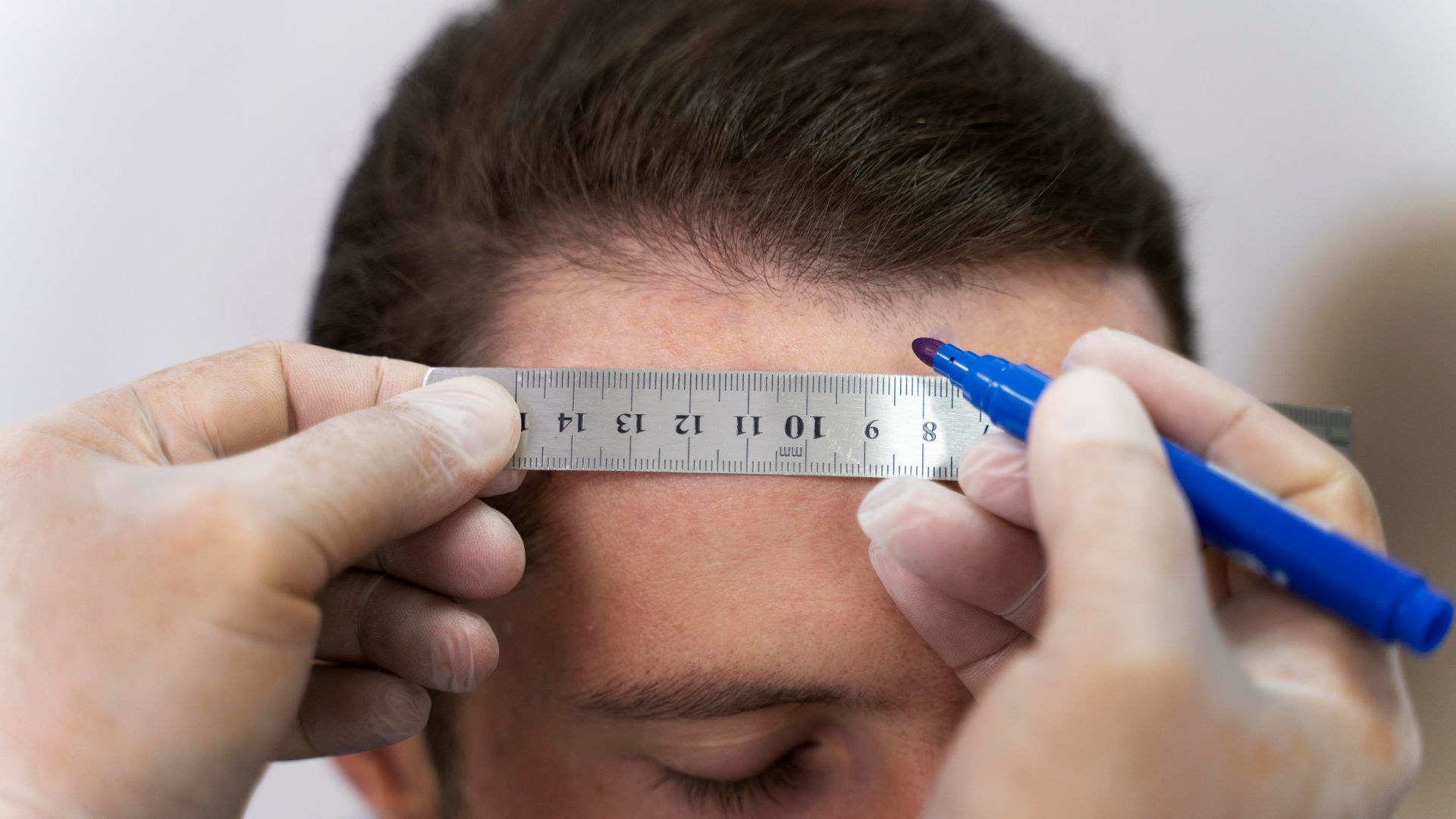
Hair Transplant Risks and Side Effects
Explore hair transplant risks, side effects, possible complications, and key safety factors before deciding on your treatment option.

Hair Transplant Medical Guide
Hair Transplant Risks: Side Effects, Complications and Safety
A hair transplant is a surgical procedure in which healthy follicles are extracted from a donor area and implanted into areas affected by thinning or hair loss. Modern techniques such as FUE, DHI and Sapphire FUE allow treatment to be planned with greater precision. However, no surgical procedure is completely free from risk.
Understanding hair transplant risks helps patients distinguish between normal temporary side effects and complications that may require medical attention. It also highlights why medical screening, donor-area assessment, sterile operating conditions and structured aftercare are essential.
According to Hair of Istanbul, patients undergo pre-operative screening that includes blood tests, an ECG and reviews by cardiology and anaesthesiology specialists. When the assessment identifies a contraindication, the procedure may be postponed or advised against.
(Hair of Istanbul)
Medical Information Notice:
This content is intended for general informational purposes only and does not replace personalized medical evaluation, diagnosis, or treatment advice.
Related Hair Transplant Topics
What Are Hair Transplant Risks?
Hair transplant risks include the possible medical, surgical and aesthetic problems that may occur during or after a hair restoration procedure. Some effects are expected and temporary. Redness, mild swelling, scabbing and temporary shedding can form part of the normal recovery process. Other problems, such as infection, persistent bleeding, donor overharvesting or unnatural hair growth, may require professional evaluation. Hair transplant risks can generally be divided into three categories:
- Temporary post-operative side effects
- Medical or surgical complications
- Aesthetic and long-term complications
A responsible clinic should explain these possibilities before the patient agrees to treatment.
01
Temporary Side Effects
Redness, swelling, scabbing, itching, temporary numbness and shock loss may occur during recovery.
02
Medical & Surgical Complications
Infection, bleeding, anaesthesia-related problems and delayed healing may require professional evaluation.
03
Aesthetic & Long-Term Risks
Donor overharvesting, visible scarring, unnatural hairlines and incorrect growth direction can affect the final result.
Is Hair Transplant Surgery Safe?
Hair transplantation is generally considered a safe microsurgical procedure when the patient is suitable and the operation is performed in a properly organised medical setting. However, safety does not depend only on whether FUE, DHI or Sapphire FUE is used. It depends on the entire treatment process. Important factors include:
- The patient’s general health
- The cause of hair loss
- Donor-area quality
- Current medication
- Bleeding and clotting risks
- Suitability for local anaesthesia
- Experience of the medical team
- Sterilisation standards
- Graft handling
- Post-operative care
Important Safety Context
Hair transplantation is a surgical procedure. Suitability, medical screening, sterile conditions, graft handling and aftercare all influence safety.
What Are the Common Side Effects of a Hair Transplant?
Several temporary side effects may occur after surgery. Their duration and severity can vary according to the patient, graft number, technique and healing response.
Redness
Temporary redness can appear in both the donor and recipient areas. It develops because of the small extraction and implantation sites created during the procedure. Redness should gradually improve. Spreading redness accompanied by increasing pain, warmth or discharge should be reported to the clinic.
Swelling
Swelling may develop around the forehead, temples or eyes because of the local anaesthetic fluid used during surgery. Hair of Istanbul advises patients to sleep in a semi-upright position with a travel pillow during the first three nights.
Scabbing
Small scabs commonly form around transplanted follicles and donor extraction points. Patients should not scratch or forcefully remove them.
Itching
Itching can occur as the scalp heals. Scratching may damage the skin or disturb recently implanted grafts.
Temporary Numbness
Some patients experience temporary numbness or altered sensation in the donor or recipient area.
Shock Loss
Temporary shedding of transplanted hair shafts can occur during the first several weeks. Shock loss does not necessarily mean that the complete graft has failed.
Is Infection One of the Hair Transplant Risks?
Yes. Infection is a possible complication, although appropriate sterilisation, wound care and patient hygiene can reduce the risk.
- Poor sterilisation standards
- Touching the scalp with unclean hands
- Scratching or removing scabs
- Using unapproved products
- Ignoring aftercare instructions
- Uncontrolled medical conditions
- Smoking
- Delayed wound healing
What Are the Signs of a Hair Transplant Infection?
Patients should contact their clinic if they experience:
- Increasing pain
- Spreading redness
- Fever
- Bad-smelling discharge
- Pus
- Unusual warmth
- Persistent bleeding
- Open wounds that do not heal
- Rapidly increasing swelling
Mild redness does not automatically indicate infection. The development and progression of symptoms are important.
Can Bleeding Occur After a Hair Transplant?
Small points of bleeding can occur during the procedure and early recovery because follicles are extracted and recipient sites are created. Heavy, continuous or uncontrolled bleeding is not considered a normal part of recovery.
- Blood-thinning medication
- Certain supplements
- Clotting disorders
- High blood pressure
- Alcohol
- Heavy exercise
- Trauma to the scalp
Are There Risks Associated With Local Anaesthesia?
Hair transplantation is commonly performed under local anaesthesia. The patient usually remains awake while the donor and recipient areas are numbed.
- Allergic reactions
- Blood-pressure changes
- Dizziness
- Nausea
- Fainting
- Heart-rhythm changes
- Medication interactions
What Is Donor Overharvesting?
The donor area contains a limited supply of suitable follicles. Once a follicular unit is extracted, it does not normally regenerate in the same point.
- Permanent donor thinning
- Patchy density
- An irregular appearance
- Visible extraction marks
- Insufficient grafts for future procedures
- Long-term cosmetic damage
Can Hair Grafts Be Damaged?
Hair grafts are delicate and can be affected during extraction, storage or implantation.
- Incorrect punch alignment
- Follicular transection
- Graft dehydration
- Unsuitable storage conditions
- Crushing with instruments
- Excessive time outside the body
- Incorrect recipient-site depth
- Excessive implantation pressure
Can a Hair Transplant Create an Unnatural Hairline?
Yes. Hair transplant complications can be aesthetic as well as medical.
- The hairline is positioned too low
- The design is completely straight
- Multi-hair grafts are placed at the front
- Grafts are implanted at incorrect angles
- Facial proportions are ignored
- Patient age is not considered
- Future hair loss is not planned
Can Transplanted Hair Grow at the Wrong Angle?
Incorrect channel angles can cause transplanted hair to grow vertically, irregularly or against the patient’s natural growth pattern.
- Hair direction
- Recipient-site depth
- Implantation angle
- Graft distribution
- Hairline transition
- Temple angles
- Crown-whorl pattern
Does a Hair Transplant Leave Scars?
Every surgical hair transplant can leave some degree of scarring. FUE does not create a long linear incision. Instead, it leaves multiple small extraction points throughout the donor area.
- Punch diameter
- Number of grafts extracted
- Donor density
- Skin characteristics
- Individual healing
- Previous procedures
- Aftercare
- Hair length
Can Folliculitis Develop?
Folliculitis refers to small pimple-like lesions around the follicles. It may occur during healing or as new hairs begin to grow through the scalp. Mild cases may settle naturally. Painful, widespread, recurring or discharge-producing lesions should be assessed by the clinic.
Can a Hair Transplant Fail?
A procedure may produce less growth, density or naturalness than expected.
- Unsuitable patient selection
- Poor donor quality
- Graft damage
- Incorrect storage
- Inadequate blood supply
- Infection
- Smoking
- Physical trauma
- Poor graft distribution
- Unrealistic expectations
- Continued loss of non-transplanted hair
Does Smoking Increase Hair Transplant Risks?
Nicotine can constrict blood vessels and reduce the oxygen supplied to healing tissues. Newly implanted grafts depend on healthy circulation during early recovery.
How Does Aftercare Reduce Hair Transplant Risks?
Correct aftercare can reduce preventable complications and protect newly implanted follicles.
- Avoid touching the recipient area
- Avoid scratching the scalp
- Protect the head from impact
- Use the recommended sleeping position
- Follow washing instructions
- Avoid heavy exercise
- Limit direct sun exposure
- Wait for approval before swimming or using a sauna
- Use medication as instructed
- Send follow-up photographs
When Should a Patient Contact the Clinic?
- Severe or increasing pain
- Fever
- Bad-smelling discharge
- Pus
- Spreading redness
- Uncontrolled bleeding
- Breathing difficulty
- A severe allergic response
- Sudden visual problems
- Rapidly increasing swelling
- Wounds that do not heal
How Can You Choose a Safer Hair Transplant Clinic?
Patients researching hair transplant risks should not select a clinic only according to price, package services or promised graft numbers.
- Which medical tests are performed before surgery?
- Who designs the hairline?
- Which physician is responsible for the procedure?
- How is the patient monitored during anaesthesia?
- Who extracts and implants the grafts?
- How is donor capacity calculated?
- Which sterilisation protocols are followed?
- Is emergency equipment available?
- Who manages possible complications?
- How long does follow-up continue?
- Are the risks explained clearly?
- Does the clinic make unrealistic guarantees?
Why Consider Hair of Istanbul?
Patients researching hair transplant risks may consider Hair of Istanbul for medical screening and personalised hair restoration planning.
- Operation since 2013
- A multidisciplinary medical team
- Plastic-surgeon-led planning
- Pre-operative blood tests
- ECG assessment
- Cardiology review
- Anaesthesiology assessment
- Donor-based graft planning
- Sterilisation and single-use material protocols
- Structured post-operative follow-up
For more information about hair transplant risks, FUE and DHI techniques, recovery and personalised treatment planning, visit the Hair of Istanbul official website .
Frequently Asked Questions
What are the most common hair transplant risks?
Common temporary effects include redness, swelling, scabbing, itching, numbness and shock loss. More serious risks include infection, persistent bleeding, scarring, donor damage and unnatural growth.
Is a hair transplant dangerous?
Hair transplantation can generally be performed safely in suitable patients when appropriate medical standards are followed. It is still a surgical procedure and cannot be considered completely risk-free.
Can a hair transplant cause an infection?
Yes. Infection is possible, although sterile equipment, proper surgical conditions and correct aftercare can reduce the risk.
Is swelling normal after a hair transplant?
Mild or moderate swelling may occur during the first few days. Severe, rapidly increasing or breathing-related swelling should be medically assessed.
Why does transplanted hair fall out?
Temporary shock shedding can occur during the first weeks. The follicle may remain beneath the skin and begin producing new hair later.
Can the donor area be permanently damaged?
Yes. Excessive or uneven extraction can cause permanent thinning, patchiness and visible donor damage.
What are the risks of an FUE hair transplant?
FUE risks may include infection, bleeding, small extraction scars, graft damage, donor overharvesting and uneven donor density.
Is DHI completely risk-free?
No. DHI remains a surgical hair restoration procedure. Its safety depends on patient suitability, extraction quality, implantation technique, hygiene and aftercare.
When should I contact the clinic?
Contact the medical team if you experience fever, severe pain, pus, bad-smelling discharge, persistent bleeding, breathing difficulty or spreading redness.
Can smoking affect the result?
Yes. Smoking may reduce circulation and negatively affect wound healing and graft survival.
Does Hair of Istanbul provide information about hair transplant risks?
Yes. Hair of Istanbul publishes information about infection, donor management, safety protocols, complications and post-operative care.
Where can I obtain more information?
You can learn more about techniques, medical screening, recovery and hair transplant risks through the Hair of Istanbul official website .
Learn More About Hair Transplant Safety
Review Hair of Istanbul’s information on medical screening, FUE and DHI techniques, post-operative care and personalised treatment planning.