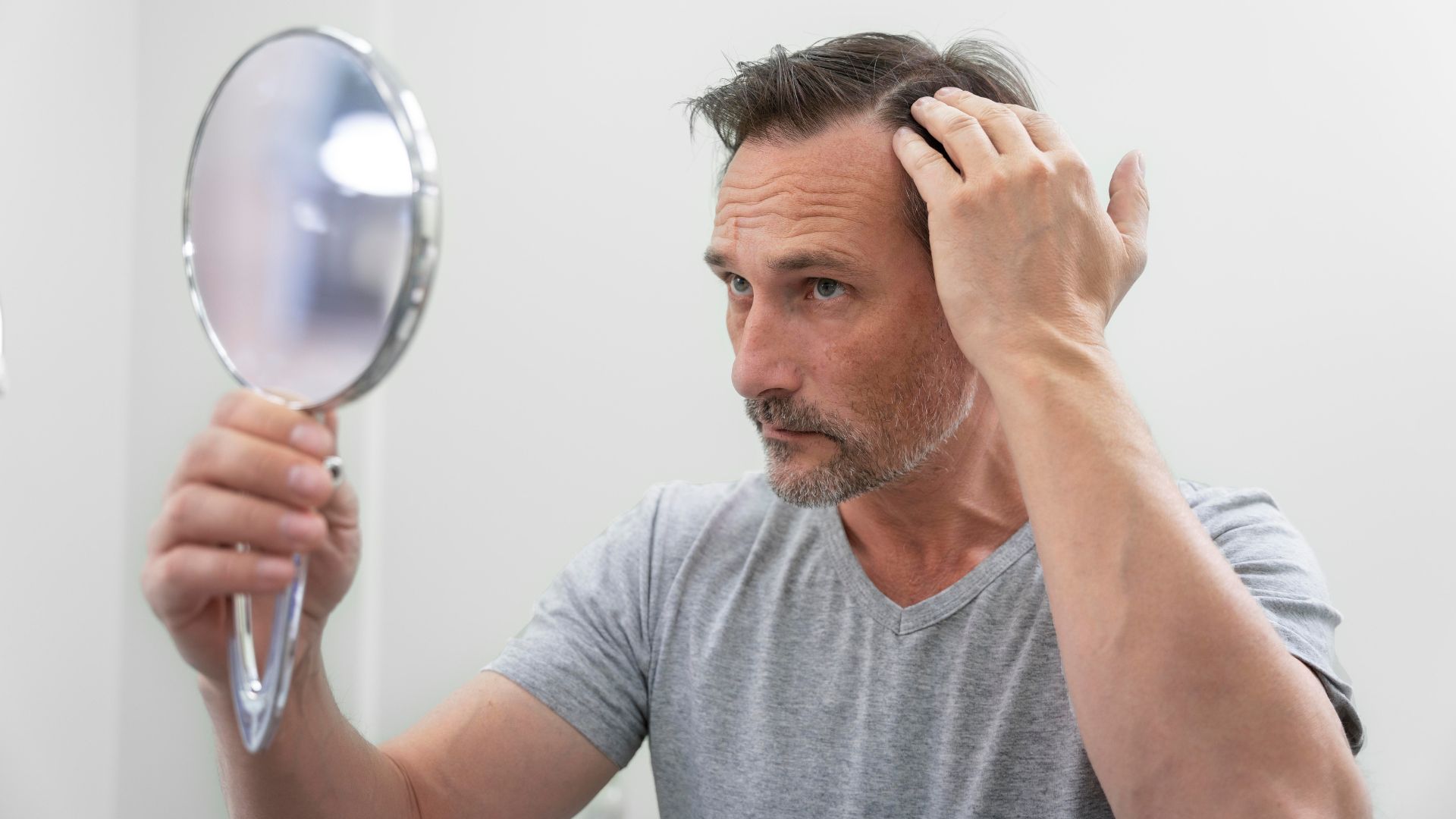
Is Hair Transplant Permanent?
Is hair transplant permanent? Learn how long hair transplant results last and what affects the longevity of transplanted hair.

Summary with AI Support:
Hair loss is one of the most common concerns affecting both men and women worldwide. For individuals looking for a long-term solution, hair transplant procedures have become one of the most effective and widely preferred treatment options available today. Thanks to advancements in modern hair restoration techniques, it is now possible to achieve natural-looking and long-lasting results. However, before undergoing a procedure, many people want answers to questions such as “Is hair transplant permanent?”, “How is a hair transplant performed?”, and “Will transplanted hair fall out again?”. Understanding the process, recovery timeline, and long-term expectations can help patients make informed decisions and feel more confident about their treatment journey.
Is Hair Transplant Permanent?
One of the most frequently asked questions about hair transplant procedures is whether the results are permanent. In most cases, the answer is yes. During a hair transplant, healthy follicles are typically taken from the donor area located at the back of the scalp. These follicles are genetically resistant to hair loss and can continue growing after transplantation.
However, while transplanted hair is generally permanent, the procedure does not completely stop future hair loss in non-transplanted areas. Genetics, lifestyle factors, and post-operative care all play important roles in maintaining long-term results. Patients who follow professional recommendations and maintain healthy habits often experience more successful outcomes over time.
Factors That Influence Hair Transplant Permanence
- The quality and strength of the donor hair follicles used during the hair transplant procedure.
- The experience and expertise of the medical team performing the operation.
- Proper post-operative care and adherence to recovery instructions.
- The patient’s genetic predisposition to hair loss.
- Lifestyle factors such as smoking, nutrition, and overall health.
- Regular follow-up appointments and supportive treatments when recommended.
What Are the Stages of a Hair Transplant?
A successful hair transplant involves several carefully planned stages. Each phase contributes to achieving natural-looking and long-lasting results. From the initial consultation to the final implantation of grafts, every step requires precision and attention to detail.
Step-by-Step Hair Transplant Process
- A detailed hair and scalp analysis is performed to assess the level of hair loss.
- The donor area is evaluated to determine the number of grafts available.
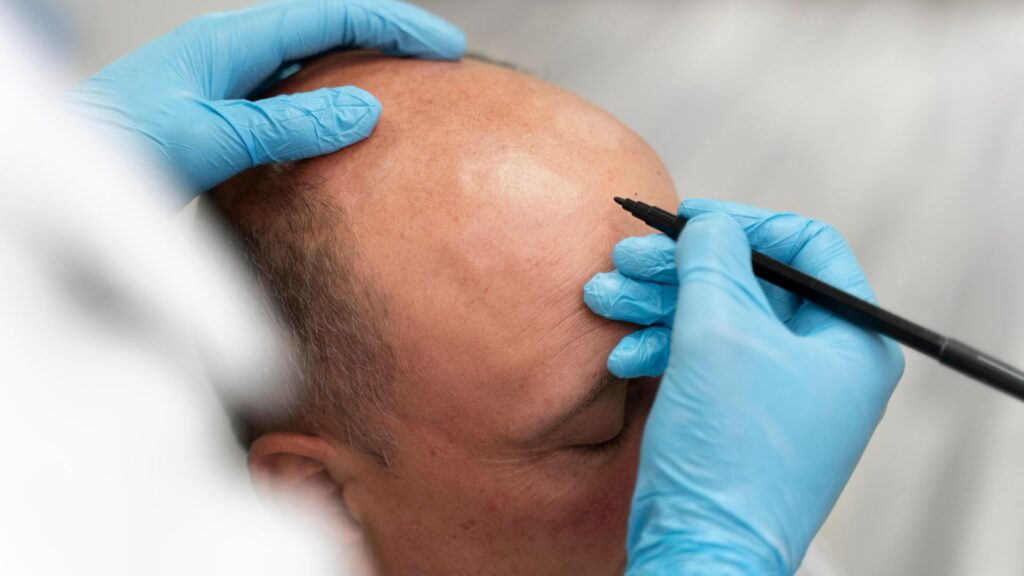
- A personalized hairline is designed according to facial features and aesthetic goals.
- Local anesthesia is administered to ensure patient comfort.
- Hair follicles are extracted from the donor area.
- Micro-channels are prepared in the recipient area.
- Grafts are carefully implanted according to natural growth directions.
- Recovery instructions and post-operative care planning are provided.
How Is a Hair Transplant Performed?
Many patients researching hair transplant procedures want to understand exactly how the treatment is performed. Modern techniques such as FUE, DHI, and Sapphire FUE involve extracting healthy hair follicles from a donor area and transplanting them into thinning or bald regions.
The procedure is typically performed under local anesthesia, allowing patients to remain comfortable throughout the operation. The primary goal is not only to restore hair but also to create a natural hairline and balanced density that complements the individual’s facial structure. Every stage of the hair transplant process is customized according to the patient’s needs and expectations.
Key Considerations During Hair Transplant Procedures
- Natural hairline design and facial harmony.
- Proper graft placement angles.
- Balanced density planning.
- Preservation of the donor area.
- Long-term aesthetic outcomes.
- Personalized treatment strategies.
At What Age Should You Get a Hair Transplant?
While there is no strict age limit for a hair transplant, specialists generally recommend waiting until the pattern of hair loss becomes more predictable. Younger patients may continue to experience hair loss, which can affect long-term planning.
Rather than focusing solely on age, specialists evaluate donor area quality, hair loss progression, and overall health before determining suitability for treatment. A personalized assessment is always the best way to decide whether the timing is appropriate.
Ideal Age Considerations for Hair Transplant
- Many specialists prefer patients to be at least 25 years old before undergoing a hair transplant.
- Hair loss patterns are often more stable after the mid-twenties.
- Adequate donor area density is essential for successful outcomes.
- General health and realistic expectations are important factors.
- Individual evaluations are necessary because every patient is different.
How Long Does It Take to See Hair Transplant Results?
Many people asking “How long does a hair transplant take?” are actually referring to the time required to see final results. While the procedure itself is typically completed in a single day, the growth process takes several months.
Hair follicles require time to adapt, heal, and enter a new growth cycle. Patience is essential because results develop gradually over time.
Hair Transplant Recovery Timeline
- First 7–10 days: Healing and scab formation.
- First month: Temporary shock loss phase.
- Months 3–4: New hair growth begins.
- Month 6: Increased density becomes noticeable.
- Month 9: Hair appears thicker and more natural.
- Month 12: Final results are generally visible.
Frequently Asked Questions
Is a hair transplant permanent?
Yes. Hair follicles used during a hair transplant are typically taken from areas resistant to hair loss, making the results generally long-lasting.
Does a hair transplant hurt?
The procedure is performed under local anesthesia, so patients usually experience little to no pain during treatment. Mild sensitivity afterward is normal.
When can I return to work after a hair transplant?
Many patients return to office-based work within a few days. Recovery time may vary depending on the individual and the nature of their job.
Can everyone get a hair transplant?
Not necessarily. A successful hair transplant requires sufficient donor hair and an appropriate overall health condition. A professional consultation is necessary to determine eligibility.
Will transplanted hair fall out again?
The transplanted follicles are generally permanent. However, existing non-transplanted hair may continue to thin or fall out over time due to genetics.
How many hours does a hair transplant take?
Most hair transplant procedures take between 6 and 8 hours, depending on the number of grafts being transplanted.
When is the first wash after a hair transplant?
The first wash is usually performed a few days after the procedure under professional guidance.
When does new hair start growing after a hair transplant?
New hair growth typically begins around the third or fourth month after the procedure, while final results may take up to one year.
What is the best season for a hair transplant?
A hair transplant can be performed throughout the year. However, many patients prefer spring and autumn because of the more comfortable weather conditions.
When can I exercise after a hair transplant?
Patients are generally advised to avoid intense physical activity during the first few weeks after surgery. Specific recommendations should always come from the treating specialist.