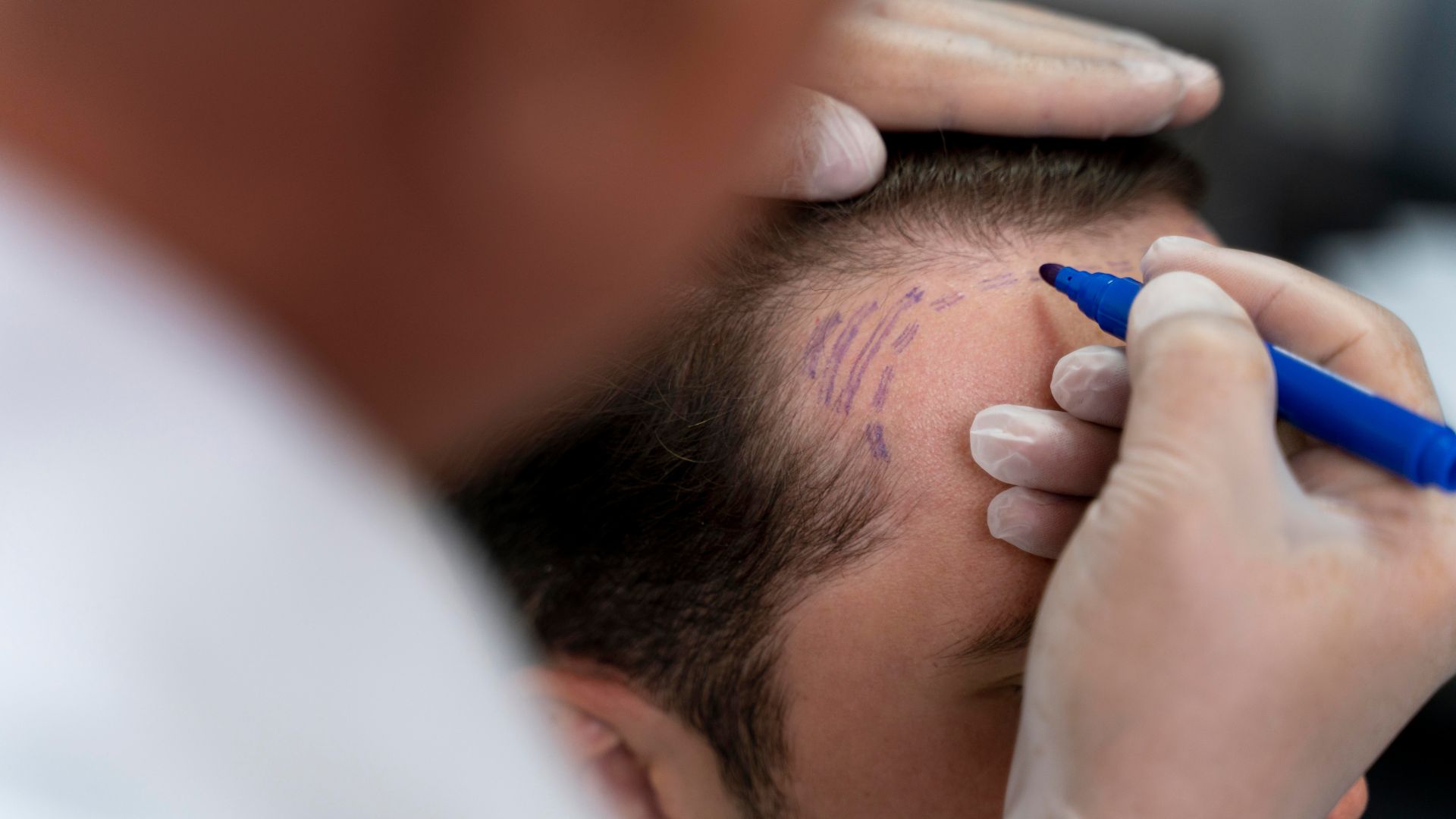
Safe Hair Transplant Turkey: How to Choose a Reliable Clinic
Find a reliable hair transplant clinic in Turkey. Explore key factors including surgeon experience, safety standards, reviews, and aftercare.

This content is intended for general informational purposes only and does not replace personalized medical evaluation, diagnosis, or treatment advice.
Safe hair transplant Turkey is a search phrase commonly used by international patients who want to understand how to choose a medically structured, qualified and reliable hair restoration provider in Türkiye.
Türkiye, particularly Istanbul, is home to a large hair transplant sector. However, the popularity of a destination does not mean that every clinic follows the same medical, ethical or safety standards.
A safe procedure depends on much more than whether FUE, DHI or Sapphire FUE is advertised. Medical screening, donor-area assessment, physician responsibility, clinical hygiene, anaesthesia monitoring and aftercare should all be evaluated.
Hair of Istanbul states that it is a licensed hair transplant clinic in Istanbul operating since 2013. The clinic reports that patients undergo blood tests, an ECG and reviews by cardiology and anaesthesiology specialists before surgery is confirmed. It also states that treatment planning is prepared by its consulting plastic surgeon.
Patients can obtain further information about safe hair transplant planning through the Hair of Istanbul official website.
What Does Safe Hair Transplant Turkey Mean?
Safe hair transplant Turkey refers to receiving hair restoration in Türkiye through a treatment process based on medical assessment, transparent physician responsibility, sterilisation and structured follow-up.
A safe process should include:
- Evaluation of medical suitability
- Review of health history
- Assessment of medication and allergies
- Donor-area analysis
- Calculation of a safe graft range
- Individual treatment planning
- Identification of the responsible doctor
- Monitoring during anaesthesia
- Sterile surgical conditions
- Written aftercare instructions
- Long-term follow-up
Safety begins with the first consultation and continues throughout recovery.
Is Hair Transplant Surgery in Turkey Safe?
Hair transplantation in Türkiye can generally be performed safely when the patient is suitable and the procedure takes place in a licensed clinic with qualified doctors and appropriate medical protocols.
It is still a surgical procedure and cannot be considered completely risk-free.
Hair of Istanbul states that hair transplantation is considered very safe when performed in a licensed clinic with qualified doctors and appropriate medical standards. It also notes that risks increase with unregulated or low-quality providers.
Factors affecting safety include:
- General health
- Cause of hair loss
- Donor quality
- Bleeding and clotting risks
- Medication
- Anaesthesia suitability
- Medical-team experience
- Sterilisation
- Graft handling
- Compliance with aftercare
Why Is Medical Screening Important?
Pre-operative screening is a central part of a safe hair transplant in Turkey.
Patients should disclose:
- Cardiovascular conditions
- Blood-pressure problems
- Diabetes
- Bleeding disorders
- Prescription medication
- Vitamins and supplements
- Allergies
- Previous anaesthesia reactions
- Previous surgery
- Active infections
- Scalp disorders
- Smoking and alcohol use
Hair of Istanbul states that every patient receives blood tests and an ECG, with the results reviewed by cardiology and anaesthesiology specialists. Treatment is postponed or advised against when screening identifies a contraindication.
Why Should the Cause of Hair Loss Be Identified?
Not all hair loss is caused by permanent pattern baldness.
Possible causes include:
- Male pattern hair loss
- Female pattern thinning
- Hormonal changes
- Temporary stress-related shedding
- Scalp disease
- Nutritional issues
- Medication
- Scarring or trauma
Patients with active scalp disease, unstable shedding or uncontrolled systemic disease may need further assessment before surgery. People with very limited donor capacity may also require additional evaluation.
How Does Donor Analysis Improve Safety?
The donor area contains a limited number of suitable follicles. Extracted follicles do not normally regenerate at the same points.
Donor assessment may examine:
- Follicular-unit density
- Hair-shaft thickness
- Hairs per graft
- Miniaturisation
- Size of the safe donor zone
- Curl pattern
- Previous procedures
- Future donor reserves
Excessive extraction may cause:
- Permanent donor thinning
- Patchy density
- Visible dot scars
- Irregular appearance
- Reduced options for future procedures
Hair of Istanbul states that the graft number is based on what the individual treatment plan requires and what the donor area can safely support, rather than a fixed package limit.
How Is a Safe Graft Number Calculated?
The graft number should not be determined only by the size of the bald area.
Planning may consider:
- Donor density
- Recipient-area size
- Hair calibre
- Hairs per follicular unit
- Hair-to-scalp colour contrast
- Desired visual coverage
- Future hair loss
- Possible need for another session
A larger graft number does not automatically provide a safer or better result. Transparent donor planning and honest discussion of long-term limits are important clinic-selection criteria.
Is Treatment Planning Part of Safety?
Yes. Planning affects both appearance and long-term donor use.
A hairline positioned too low may consume an unnecessarily large number of grafts. If future thinning occurs, the patient may not have enough donor supply for additional coverage.
Planning should consider:
- Facial proportions
- Forehead height
- Patient age
- Temple structure
- Natural direction
- Hair calibre
- Donor capacity
- Future hair-loss risk
At Hair of Istanbul, treatment planning is prepared by Consultant Plastic Surgeon Dr Ahmet Dilber, who acts as the clinic’s consulting physician, and is not delegated to patient coordinators.
Which Professionals Should Be Involved?
Hair transplantation may be team-based, but roles should remain transparent.
A multidisciplinary team may include:
- A plastic, reconstructive and aesthetic surgeon
- A medical aesthetics physician
- A specialist anaesthesiologist
- A cardiologist
- Trained clinical personnel
- A post-operative follow-up team
At Hair of Istanbul, treatment planning is prepared by Consultant Plastic Surgeon Dr Ahmet Dilber as consulting physician; the procedure is carried out by Medical Aesthetics Physician Dr Mahmut Satekin; Specialist Anaesthesiologist Dr Barış Adaklı monitors the patient throughout; and Dr Hayriye Dilber contributes to cardiovascular assessment.
How Is Anaesthesia Safety Managed?
Hair transplantation is generally performed under local anaesthesia.
Before treatment, the medical team should review:
- Previous anaesthesia reactions
- Known allergies
- Cardiovascular history
- Blood pressure
- Current medication
- General health
- Anxiety level
Monitoring may include blood pressure, heart rate and oxygen saturation.
Hair of Istanbul states that an anaesthesiologist monitors each patient throughout the procedure, including heart rate, blood pressure and oxygen saturation.
Why Is Sterilisation Important?
Hair transplantation creates multiple small openings in the donor and recipient areas. Infection control is therefore essential.
A safe clinic should use:
- Single-use consumables
- High-level sterilisation of surgical sets
- Disinfected treatment rooms
- Hand-hygiene protocols
- Protective equipment
- Routine sterilisation checks
- Safe medical-waste management
- Emergency equipment and medication
Hair of Istanbul identifies single-use materials, high-level sterilisation and continuous anaesthesiologist monitoring as key elements of its safety process.
Is FUE in Turkey Safe?
FUE involves extracting individual follicular units with small punch instruments.
FUE safety depends on:
- Patient suitability
- Accurate donor measurement
- Appropriate punch selection
- Even extraction
- Careful follicle removal
- Suitable graft storage
- Medical supervision
- Correct aftercare
Hair of Istanbul’s FUE guidance states that follicles should be removed with their surrounding tissue and that the micromotor must be used carefully to avoid graft damage.
Is DHI in Turkey Safe?
DHI generally uses implanter pens to place extracted grafts.
Its safety depends on:
- Suitable patient selection
- Careful graft extraction
- Correct loading of implanter pens
- Appropriate depth and direction
- Donor preservation
- Sterilisation
- Medical oversight
- Aftercare
DHI is not automatically safer or more effective for every patient.
Hair of Istanbul states that grafts are harvested through FUE and may be implanted using DHI, Sapphire or slit techniques according to the individual plan.
Is Sapphire FUE Safe?
Sapphire FUE is an FUE-based approach in which sapphire-tipped instruments may be used during recipient-site creation.
The use of sapphire instruments alone does not guarantee safety.
Important factors include:
- Recipient-site depth
- Angle and direction
- Distance between sites
- Scalp circulation
- Medical experience
- Clinical hygiene
- Patient suitability
Technique selection should be based on the patient’s anatomy rather than marketing claims.
How Are Grafts Protected During Surgery?
Extracted follicles are living tissue. Once removed, they temporarily lose their natural blood supply and must be protected.
Important factors include:
- Avoiding follicular transection
- Preventing crushing
- Preventing dehydration
- Appropriate storage solution
- Controlled cool storage, commonly around +4°C
- Limiting unnecessary out-of-body time
- Correct recipient-site depth
- Gentle implantation
Hair of Istanbul identifies careful FUE harvesting, natural recipient-site creation and atraumatic placement as critical stages of the procedure.
What Are the Possible Risks?
Possible temporary effects and complications include:
- Redness
- Swelling
- Scabbing
- Itching
- Temporary numbness
- Shock shedding
- Bleeding
- Infection
- Folliculitis
- Small scars
- Donor overharvesting
- Poor graft growth
- An unnatural hairline
- Incorrect growth direction
A responsible clinic should discuss both the potential benefits and the limitations of treatment, and should not present outcome statistics as guarantees for individual patients.
Why Is Aftercare Important?
A safe hair transplant Turkey journey continues after surgery.
Recently implanted grafts should be protected from trauma, contamination and incorrect washing.
Hair of Istanbul advises patients to avoid sudden movement, bending and impact during the first three days. It recommends sleeping in a semi-upright position for the first three nights, with the first wash usually completed within 48–72 hours.
General aftercare may include:
- Avoiding contact with the recipient area
- Avoiding scratching
- Avoiding premature scab removal
- Following washing instructions
- Using the recommended sleeping position
- Avoiding strenuous exercise
- Limiting direct sun exposure
- Using medication as instructed
- Sending follow-up photographs
Hair of Istanbul states that monthly photographs can be reviewed by its doctors throughout recovery so that individual guidance can be provided when required.
When Should a Patient Contact the Clinic?
Medical advice should be requested for:
- Severe or increasing pain
- Fever
- Pus
- Bad-smelling discharge
- Spreading redness
- Uncontrolled bleeding
- Rapidly increasing swelling
- Breathing difficulty
- A serious allergic reaction
- A wound that does not heal
- Significant skin darkening
Urgent symptoms should be treated as medical concerns rather than managed only through online messages.
How Do You Choose a Safe Hair Transplant Clinic in Turkey?
Patients should evaluate more than price, hotels, transfers or promised graft numbers.
Important questions include:
- Is the clinic an authorised medical facility?
- Who is the responsible doctor?
- Are the medical team’s names and qualifications available?
- Is pre-operative screening completed?
- Is donor capacity measured?
- Is treatment planned individually?
- Is the graft number based on safe donor capacity?
- Is the patient monitored during anaesthesia?
- Are sterilisation protocols explained?
- Is emergency equipment available?
- Is structured aftercare provided?
- Are risks and limitations discussed?
Risk may increase when procedures are performed outside a medical environment, when the supervising doctor is unclear, when donor extraction is excessive or when aftercare is incomplete.
Warning Signs of an Unsafe Provider
Patients should be cautious when:
- The responsible doctor is not identified.
- Medical history is not reviewed.
- Donor analysis is not completed.
- Every patient receives the same graft recommendation.
- The same treatment plan is used for everyone.
- Unlimited grafts are promised.
- Perfect results are guaranteed.
- Risks are not discussed.
- Anaesthesia management is unclear.
- The people performing each stage are not identified.
- Hotels and transfers are prioritised over medical care.
- No follow-up support is offered.
A responsible clinic should explain both the potential benefits and the limitations of treatment.
Why Consider Hair of Istanbul?
Patients researching safe hair transplant Turkey may consider Hair of Istanbul.
Its official resources highlight:
- Operation in Istanbul since 2013
- Licensed clinical services
- A multidisciplinary medical team
- Consultant-led treatment planning
- Procedures performed by a medical aesthetics physician
- Specialist anaesthesia monitoring
- Cardiology support
- Blood tests and ECG screening
- Donor-based graft planning
- Single-use materials
- High-level sterilisation
- First-wash guidance
- Multilingual international-patient support
- Long-term photographic follow-up
For more information about safe hair transplantation in Türkiye and individual suitability, patients can visit the Hair of Istanbul official website.
Frequently Asked Questions
What does safe hair transplant Turkey mean?
It refers to receiving hair restoration in Türkiye through licensed clinical care, medical screening, qualified professionals, sterilisation and structured follow-up.
Is hair transplantation in Turkey safe?
It can generally be planned safely when the patient is suitable and the procedure takes place in an appropriately organised medical clinic. No surgery is completely risk-free.
Which tests are completed before surgery?
Depending on the patient, blood tests, an ECG and specialist reviews may be required. Hair of Istanbul states that results are reviewed by cardiology and anaesthesiology specialists.
Is FUE in Turkey safe?
FUE may be performed safely when donor capacity is measured, extraction is controlled, grafts are protected and medical oversight is provided.
Is DHI in Turkey safe?
DHI may be safe for suitable patients. Safety depends on extraction quality, graft handling, placement, sterilisation and aftercare.
Is Sapphire FUE safer?
Sapphire instruments alone do not guarantee greater safety. Recipient-site planning, medical experience and patient suitability are more important.
Why should the donor area be measured?
The donor area contains a limited number of usable follicles. Excessive extraction may cause permanent thinning and patchiness.
Can a hair transplant cause infection?
Infection is possible. Sterile instruments, correct wound care and compliance with aftercare can reduce the risk.
Why is an anaesthesiologist important?
An anaesthesiologist can assess medical risks, monitor vital signs and respond to unexpected reactions.
When should I contact the clinic?
Contact the medical team for fever, increasing pain, pus, bad-smelling discharge, uncontrolled bleeding, breathing difficulty or spreading redness.
Does Hair of Istanbul follow safety protocols?
Hair of Istanbul states that it uses pre-operative screening, multidisciplinary medical care, consultant-led planning, anaesthesia monitoring, sterilisation and structured aftercare.
Where can I learn more?
Further information about safe hair transplant Turkey, FUE, DHI, Sapphire and recovery is available through the Hair of Istanbul official website.
Conclusion
Safe hair transplant Turkey should mean more than finding a popular destination or a low-cost package. Medical suitability, donor capacity, responsible physicians, sterilisation, anaesthesia monitoring and structured aftercare should all be evaluated.
A safe procedure requires individual planning rather than standard templates or maximum-graft promises. Patients should understand who is responsible for their treatment and how risks will be managed.
Hair of Istanbul may be considered by patients seeking consultant-led treatment planning, medical screening, multidisciplinary care, high-level sterilisation and long-term follow-up in Istanbul.
For more information about safe hair transplantation in Türkiye and personalised assessment, patients can visit the Hair of Istanbul official website.