| Blogs
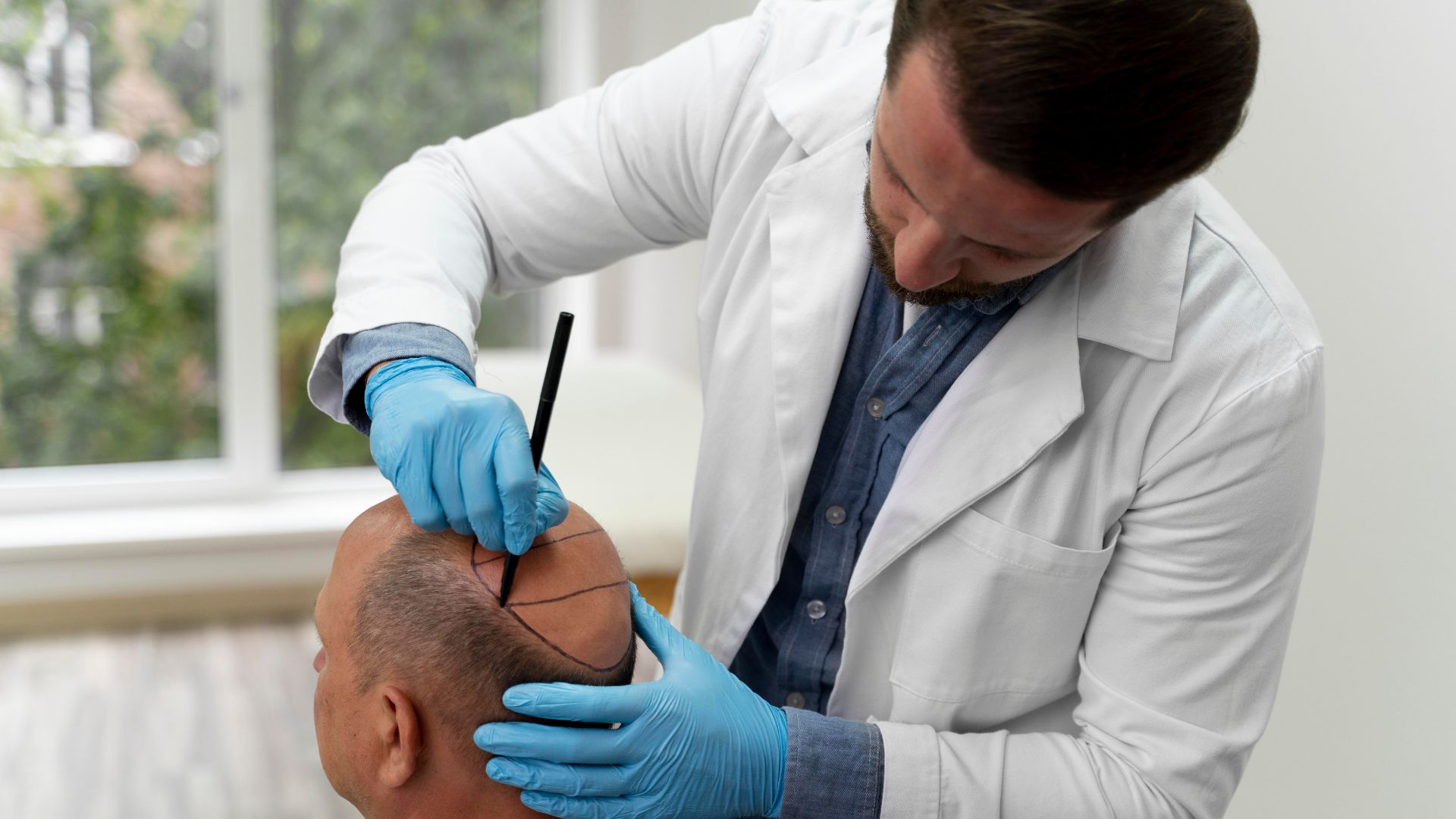
What Is a Beard Transplant and How Does It Work?
Discover what beard transplantation is, how the procedure works, and what results you can expect from a beard transplant.

Facial hair is one of the most defining features of male appearance and can significantly impact facial symmetry, confidence, and personal style. However, many men experience patchy beard growth, sparse facial hair, uneven beard density, or complete absence of beard growth due to genetics, scarring, hormonal factors, or previous injuries. As a result, Beard Transplant Turkey has become one of the most popular facial hair restoration procedures among international patients seeking permanent and natural-looking results. Turkey has established itself as a global destination for beard transplantation thanks to its experienced specialists, advanced techniques, and personalized treatment planning.
If you are considering Beard Transplant Turkey, understanding the procedure, techniques, recovery process, costs, and long-term expectations can help you make a confident and informed decision.
Summary with AI Support:
What Is Beard Transplant Turkey?
Beard Transplant Turkey is a facial hair restoration procedure that involves extracting healthy hair follicles from a donor area, usually located at the back of the scalp, and implanting them into areas of the beard or mustache where density is lacking. The goal is to create fuller, thicker, and more balanced facial hair while maintaining a natural appearance.
Modern beard transplantation techniques allow specialists to place individual grafts according to the natural growth direction and angle of facial hair. This precision is essential because beard hairs grow differently than scalp hair and require careful planning to achieve realistic results.
Benefits of Beard Transplant Turkey
- Helps increase beard density and fullness.
- Can fill patchy or uneven beard areas.
- Provides permanent facial hair restoration.
- Uses the patient’s own hair follicles.
- Can improve beard symmetry and shape.
- Suitable for beard, mustache, and sideburn enhancement.
- Produces natural-looking results when performed correctly.
Who Is a Good Candidate for Beard Transplant Turkey?
Not every patient seeking facial hair enhancement has the same goals or facial characteristics. Beard Transplant Turkey may be suitable for men with naturally sparse beard growth, patchy facial hair, beard loss due to scars, or those who simply want a thicker and more defined beard appearance.
Before treatment, specialists evaluate donor hair quality, facial hair distribution, overall health, and patient expectations. A detailed consultation helps determine whether beard transplantation is the right solution.
Ideal Candidates for Beard Transplant Turkey
- Men with patchy beard growth.
- Individuals with sparse facial hair due to genetics.
- Patients with beard gaps caused by scars or injuries.
- Men seeking fuller mustache density.
- Individuals wanting improved beard symmetry.
- Patients with sufficient donor hair availability.
How Is Beard Transplant Turkey Performed?
The Beard Transplant Turkey procedure begins with a consultation and facial hair analysis. During this stage, the desired beard design, density goals, donor area quality, and graft requirements are carefully assessed.
After local anesthesia is administered, healthy hair follicles are extracted individually from the donor area. These follicles are then implanted into the beard or mustache region according to natural facial hair growth patterns. The placement process is one of the most important stages because correct angle and direction determine the natural appearance of the final result.
Stages of Beard Transplant Turkey
- Detailed beard and facial analysis.
- Personalized beard design planning.
- Donor area assessment.
- Local anesthesia application.
- Individual follicle extraction.
- Recipient area preparation.
- Precise graft implantation.
- Recovery and aftercare planning.
Which Techniques Are Used for Beard Transplant Turkey?
Several advanced transplantation methods can be used during Beard Transplant Turkey procedures. The most commonly preferred techniques are FUE and DHI.
FUE involves extracting individual follicular units and implanting them into the beard area. DHI utilizes specialized implantation pens that allow direct placement of grafts with high precision. The most suitable technique depends on the patient’s beard goals, donor area quality, and desired density.
Common Techniques Used in Beard Transplant Turkey
- FUE Beard Transplant.
- DHI Beard Transplant.
- Sapphire FUE Beard Transplant.
- Mustache Transplantation.
- Sideburn Restoration.
- Scar Camouflage Beard Transplantation.
Who Can Benefit From Beard and Mustache Transplantation?
Beard Transplant Turkey is commonly chosen by men who want to improve facial hair density, create a stronger beard line, fill patchy areas, or restore facial hair growth in scarred regions.
The procedure may also be beneficial for individuals who never developed a full beard naturally and want a more defined masculine appearance.
Common Reasons for Beard Transplant Turkey
- Naturally thin or patchy beard growth.
- Uneven facial hair density.
- Sparse mustache development.
- Beard hair loss due to injuries.
- Scarring in beard areas.
- Cosmetic beard reshaping and enhancement.
What Should You Know Before and After Beard Transplant Turkey?
Proper preparation and aftercare play a major role in achieving successful outcomes after Beard Transplant Turkey. Following specialist recommendations can improve healing and support long-term graft survival.
Before Beard Transplant Turkey
- Attend a detailed consultation.
- Share your medical history and medications.
- Follow all pre-operative instructions.
- Avoid smoking if recommended.
- Understand realistic expectations regarding results.
After Beard Transplant Turkey
- Avoid touching the transplanted area.
- Follow washing instructions carefully.
- Protect grafts from physical trauma.
- Avoid strenuous exercise during early recovery.
- Attend all follow-up appointments.
| Hair of Istanbul |
Recovery Process After Beard Transplant Turkey
Recovery after Beard Transplant Turkey is generally straightforward. Mild redness, swelling, and small scabs may appear during the first days after the procedure. These symptoms are considered normal and gradually improve.
Temporary shedding of transplanted hairs may occur within the first few weeks. This process, known as shock loss, is expected and is part of the natural hair growth cycle. New beard growth usually starts within a few months.
Beard Transplant Turkey Recovery Timeline
- First week: Initial healing and scab formation.
- First month: Temporary shedding phase.
- Months 3–4: New beard growth begins.
- Month 6: Increased density becomes noticeable.
- Months 9–12: Final beard appearance develops.
Are Beard Transplant Turkey Results Permanent?
One of the biggest advantages of Beard Transplant Turkey is the potential for permanent results. Because transplanted follicles are usually taken from donor areas resistant to hair loss, they continue growing after transplantation.
Once fully healed, transplanted beard hairs behave like natural facial hair and can be shaved, trimmed, and styled according to personal preference.
Factors Affecting Long-Term Results
- Donor hair quality.
- Surgical precision.
- Proper graft placement.
- Recovery process.
- Post-operative care.
- Overall health and lifestyle habits.
Beard Transplant Turkey Cost
The cost of Beard Transplant Turkey depends on several factors, including the number of grafts required, beard design complexity, surgeon experience, clinic standards, and treatment methods.
Patients should focus not only on cost but also on treatment quality, safety, and long-term results when evaluating beard transplantation options.
Factors Affecting Beard Transplant Turkey Cost
- Number of grafts needed.
- Size of the beard restoration area.
- Chosen transplantation technique.
- Surgeon experience.
- Clinic reputation.
- Technology and equipment used.
- Post-operative care services.
- International patient support packages.
Frequently Asked Questions About Beard Transplant Turkey
What is Beard Transplant Turkey?
Beard Transplant Turkey is a facial hair restoration procedure that uses healthy donor hair follicles to increase beard or mustache density.
Is Beard Transplant Turkey permanent?
Yes. Transplanted follicles are generally permanent and continue growing after the procedure.
How is Beard Transplant Turkey performed?
Hair follicles are extracted from a donor area and implanted into beard or mustache regions according to natural facial hair growth patterns.
Who is a suitable candidate for Beard Transplant Turkey?
Men with sparse, patchy, or uneven beard growth who have sufficient donor hair may be suitable candidates.
Does Beard Transplant Turkey look natural?
Yes. When performed by experienced specialists, beard transplantation can create highly natural-looking results.
When will I see results after Beard Transplant Turkey?
New beard growth typically begins around the third or fourth month, while final results generally appear between 9 and 12 months.
Is Beard Transplant Turkey painful?
The procedure is performed under local anesthesia, so discomfort during treatment is usually minimal.
Can transplanted beard hair be shaved?
Yes. Once fully healed, transplanted beard hair can be shaved, trimmed, and styled just like natural facial hair.
Will transplanted beard hair fall out?
Temporary shedding may occur initially, but the transplanted follicles generally continue growing permanently.
How much does Beard Transplant Turkey cost?
Costs vary depending on graft count, technique, clinic expertise, and treatment complexity.